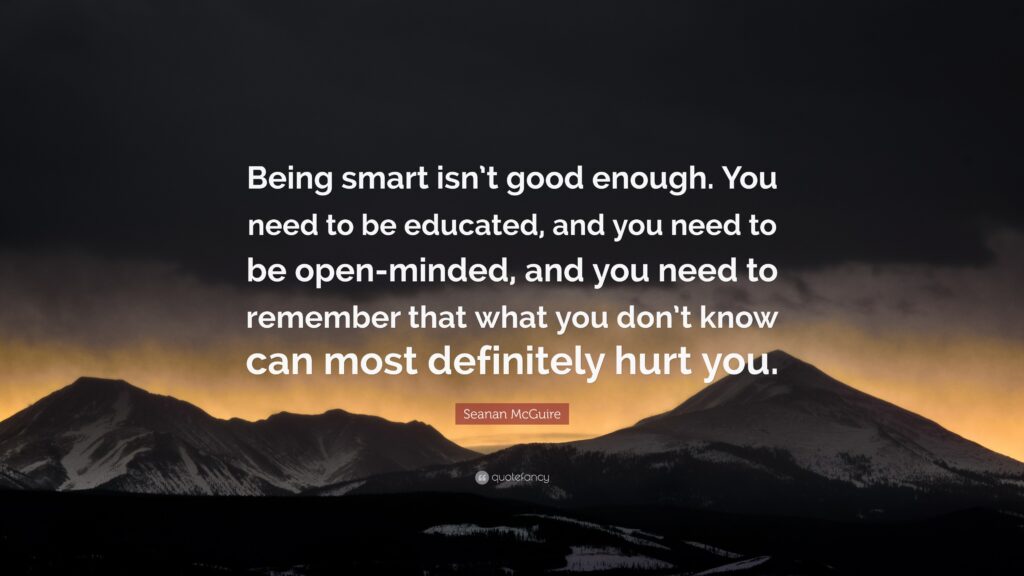
Being Smart Is Not Enough to Study in Ireland
Studying in Ireland is a dream for many international students. The country is known for its respected universities, friendly people, modern cities, and strong education system. Every year, thousands of students arrive in Irish cities such as Dublin, Cork, and Galway to continue their education and build a better future.
Many students believe that being intelligent or getting high grades is enough to succeed in Ireland. However, the reality is different. Academic intelligence is important, but it is only one part of student life. To truly succeed in Ireland, students also need independence, communication skills, emotional strength, time management, and the ability to adapt to a completely new environment.
Living and studying abroad can be exciting, but it can also be challenging. Students who survive and grow in Ireland are usually not only the smartest students in class. They are often the students who can adjust, stay motivated, manage stress, and build good relationships with others.
This article explains why being smart alone is not enough to study successfully in Ireland and what international students really need to prepare before starting their journey.
Academic Intelligence Helps — But It Is Only the Beginning
There is no doubt that intelligence matters in university life. Students need to understand lectures, complete assignments, pass exams, and participate in discussions. Irish universities have high academic standards, and lecturers expect students to think critically and independently.
Universities such as Trinity College Dublin and University College Dublin are internationally respected because of their strong academic systems.
However, Irish education is often different from education systems in many other countries. In Ireland, students are expected to:
- Speak actively during discussions
- Share opinions confidently
- Work independently
- Manage their own schedules
- Think critically rather than memorise information
A student who only relies on memorisation may struggle in Ireland even if they were top of their class back home.
Irish lecturers often care more about understanding and analysis than simply repeating textbook information. This can surprise many international students during their first semester.
Independence Is Extremely Important
One major challenge for international students is learning how to become independent.
In Ireland, students usually handle everything themselves, including:
- Cooking
- Laundry
- Paying bills
- Cleaning
- Shopping
- Managing rent
- Organising study schedules
For some students, this is their first time living away from family. At first, daily responsibilities can feel overwhelming.
A student may be academically brilliant but still struggle if they cannot manage daily life properly. Missing deadlines, sleeping late, eating unhealthy food, or failing to budget money can quickly create stress.
Irish society values independence. Young adults are generally expected to take responsibility for themselves from an early age. International students who adapt to this lifestyle usually become more mature and confident over time.
Communication Skills Matter a Lot
Many international students underestimate the importance of communication skills.
In Ireland, communication is not only about speaking English correctly. It is also about confidence, friendliness, and social interaction.
Irish people are known for being chatty and friendly. Small conversations happen everywhere — on buses, in cafés, at supermarkets, and in classrooms.
Students who isolate themselves may feel lonely more quickly. Building friendships is important for emotional support and networking.
Communication skills are also important in academic life. Students often need to:
- Give presentations
- Join group projects
- Participate in classroom discussions
- Speak with lecturers
- Attend interviews for part-time jobs
Some international students are shy because they are afraid of making grammar mistakes. However, most Irish people are patient and understanding with non-native English speakers.
In fact, confidence and willingness to communicate are usually more important than perfect grammar.
Emotional Strength Is Necessary
Studying abroad can affect emotions more than many students expect.
At the beginning, everything feels exciting. Students enjoy exploring the city, meeting new people, and experiencing a different culture. But after a few months, reality often becomes more difficult.
Many international students experience:
- Homesickness
- Loneliness
- Stress
- Culture shock
- Academic pressure
- Financial worries
Ireland’s weather can also affect mood. The country is known for rainy days, cold winds, and dark winters. Students from tropical countries may need time to adjust.
Being emotionally strong is very important. Smart students sometimes struggle because they are not mentally prepared for the emotional challenges of living abroad.
Students who succeed are often those who learn how to manage stress, ask for help, and stay positive during difficult times.
Time Management Can Decide Success
Irish universities usually give students a large amount of freedom. Lecturers may only meet students a few times each week, but assignments and readings can still be heavy.
Unlike school systems that are highly structured, university life in Ireland requires students to organise their own time.
Students must balance:
- Lectures
- Homework
- Group projects
- Part-time jobs
- Social life
- Household responsibilities
Without good time management, even intelligent students can fall behind.
Procrastination is one of the biggest problems among university students worldwide. In Ireland, where students often work part-time as well, managing time becomes even more important.
Successful students usually create schedules, set priorities, and avoid leaving assignments until the last minute.
Financial Discipline Is Very Important
Ireland is not a cheap country, especially for students living in Dublin.
Accommodation, transport, food, and daily expenses can become expensive very quickly. Some international students arrive with strong academic skills but poor financial habits.
Managing money wisely is essential.
Students often need to budget for:
- Rent
- Groceries
- Electricity bills
- Transport
- Phone credit
- Study materials
- Emergency expenses
Many students take part-time jobs in cafés, restaurants, hotels, shops, or warehouses to support themselves financially.
However, balancing work and study is not always easy. Students who overspend or fail to budget properly may experience serious stress later.
Financial discipline is one of the most practical skills international students need in Ireland.
Cultural Adaptation Takes Time
Irish culture may seem relaxed and easy-going, but cultural differences still exist.
Students may notice differences in:
- Communication style
- Humour
- Food habits
- Classroom behaviour
- Social interactions
- Personal space
- Punctuality
Irish humour, for example, is often sarcastic and playful. At first, some international students misunderstand jokes or feel confused during conversations.
The famous Irish phrase “You’re grand” can also confuse newcomers. In Ireland, it usually means “everything is okay.”
Students who are open-minded and curious about Irish culture usually adapt faster. Trying local food, joining clubs, attending festivals, and speaking with local students all help with cultural adjustment.
Adaptability is often more valuable than intelligence alone.
Part-Time Work Teaches Real-Life Skills
Many international students in Ireland work part-time while studying. This experience teaches practical life skills that cannot be learned in classrooms alone.
Students working in cafés, restaurants, shops, or hotels learn:
- Customer service
- Teamwork
- Communication
- Responsibility
- Problem-solving
- Workplace professionalism
Some students initially feel embarrassed about doing service jobs. However, in Ireland, part-time work is very common among students, including local Irish students.
Work experience also improves confidence and English-speaking ability.
Students who combine academic knowledge with practical experience often become more prepared for future careers.
Social Skills Help Students Feel Happier
One mistake many international students make is focusing only on studying.
Good grades are important, but social connection is equally important for mental wellbeing.
Students who build friendships usually feel happier, more motivated, and less stressed.
Irish universities offer many clubs and societies, including:
- Sports clubs
- Music groups
- Cultural societies
- Debate clubs
- Volunteer programmes
Joining these activities helps students improve social skills and meet people from different backgrounds.
Some of the most valuable experiences in Ireland happen outside the classroom through friendships and shared experiences.
Confidence Is More Powerful Than Perfection
International students often pressure themselves too much. They want perfect English, perfect grades, and perfect performance.
But life in Ireland teaches many students that confidence matters more than perfection.
Irish people generally appreciate honesty, friendliness, and effort more than flawless performance.
Students who ask questions, participate actively, and keep trying usually improve much faster than students who stay silent because they fear mistakes.
Confidence grows slowly through experience. Living abroad helps students become stronger, more independent, and more mature.
Learning Outside the Classroom
One beautiful thing about studying in Ireland is that education happens everywhere, not only inside universities.
Students learn through:
- Daily conversations
- Travel experiences
- Part-time jobs
- Cultural festivals
- Friendships
- Challenges
- Mistakes
Exploring places like the Cliffs of Moher or enjoying live music in local pubs also becomes part of the learning experience.
Many international students discover new perspectives about life while studying in Ireland. They become more open-minded, adaptable, and globally aware.
The Reality of Student Life in Ireland
Social media sometimes creates unrealistic expectations about studying abroad. Photos of beautiful campuses and fun trips only show one side of reality.
In truth, studying in Ireland can sometimes be difficult.
Students may experience:
- Long work shifts
- Academic pressure
- Financial stress
- Loneliness
- Cold weather
- Visa concerns
- Homesickness
However, these challenges also help students grow.
Many graduates later say the hardest moments taught them the most important life lessons.
What Makes Students Truly Successful in Ireland?
Students who succeed in Ireland are usually not only academically smart. They are students who:
- Stay disciplined
- Manage stress well
- Communicate openly
- Adapt to change
- Build relationships
- Remain emotionally strong
- Continue learning from mistakes
Success abroad requires balance between academic ability and life skills.
Intelligence may help students enter university, but character and resilience help them survive and grow.
Conclusion
Studying in Ireland is about much more than getting good grades. It is a journey that challenges students emotionally, socially, financially, and mentally.
Being smart is helpful, but it is not enough on its own. International students also need independence, communication skills, confidence, discipline, emotional strength, and adaptability.
Ireland teaches students valuable life lessons beyond textbooks and classrooms. Students learn how to survive independently, build friendships, handle pressure, and grow as individuals.
For many international students, the experience becomes life-changing. They leave Ireland not only with a university degree but also with greater maturity, stronger confidence, and a deeper understanding of themselves and the world around them.
In the end, success in Ireland is not only about intelligence. It is about becoming a stronger and more complete person.