Must-Visit Museums in Ireland
Ireland is famous for its green countryside, lively pubs, traditional music, and warm-hearted people. However, there is another side of the country that visitors often fall in love with — its museums. Across the island, museums tell the stories of ancient kings, Viking warriors, poets, revolutionaries, immigrants, and everyday Irish people. Whether you are visiting for study, work, or a holiday, exploring museums in Ireland is one of the best ways to understand the country properly.
From modern galleries in Dublin to historical museums in small towns, Ireland offers something for everyone. Some museums are interactive and fun, while others are quiet places where you can reflect on Ireland’s long and sometimes difficult history. Many locals enjoy spending rainy afternoons wandering through museums, grabbing a coffee afterward, and chatting about what they discovered.
Here are some of the must-visit museums in Ireland that truly deserve a place on your travel list.
The National Museum of Ireland – Archaeology
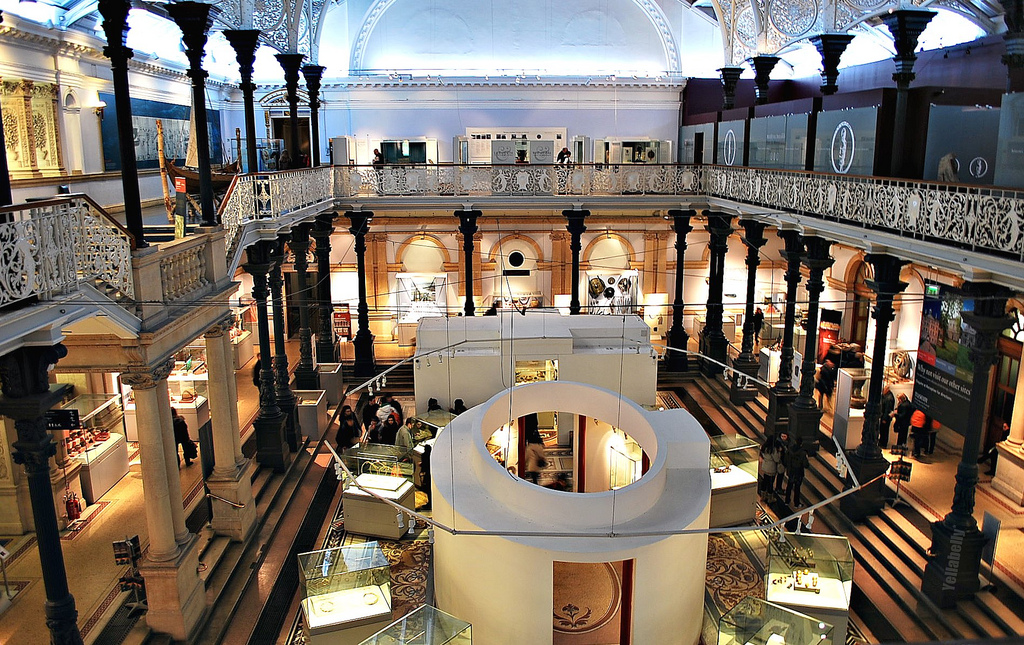
One of the most popular museums in the country is the National Museum of Ireland – Archaeology in Dublin. If you want to learn about ancient Ireland, this is the perfect place to start.
The museum holds incredible artefacts from prehistoric and Celtic Ireland. Visitors can see ancient gold jewellery, Viking weapons, medieval objects, and even preserved bog bodies that are thousands of years old. The famous Tara Brooch and the Ardagh Chalice are among the highlights. These treasures show the incredible craftsmanship of early Irish society.
Walking through the museum feels like travelling back in time. The exhibitions explain how people lived, fought, farmed, and worshipped centuries ago. Many Irish people grow up hearing stories about Celtic warriors and ancient kings, so seeing these real historical objects makes the stories feel alive.
Another good thing is that admission is free, which makes it popular with students and tourists alike. The building itself is beautiful too, with grand architecture that gives the place a classic European atmosphere.
EPIC The Irish Emigration Museum
Ireland has a long history of emigration. Millions of Irish people left the country over the centuries because of famine, poverty, or the search for better opportunities abroad. The EPIC The Irish Emigration Museum tells these emotional and inspiring stories in a modern and interactive way.
Unlike traditional museums filled with glass cabinets, EPIC uses digital technology, videos, sound effects, and touch screens. Visitors can learn about Irish emigrants who became scientists, musicians, writers, politicians, and sports stars around the world.
The museum explains how Irish culture spread globally, especially to countries like the United States, Canada, Australia, and the United Kingdom. You can also discover how Irish traditions influenced music, literature, and even politics in other nations.
Many visitors say this museum feels personal and emotional. Some people even discover information about their own Irish ancestors while visiting. The exhibitions are easy to understand and very engaging, even for people who usually are not interested in history.
The museum is located in Dublin’s docklands area, which has become one of the city’s trendiest neighbourhoods. After your visit, you can relax in a nearby café or take a walk along the River Liffey.
Titanic Belfast
Although technically located in Northern Ireland, the Titanic Belfast is one of the most famous museums connected to Irish history.
The museum stands on the exact site where the RMS Titanic was built. The ship was constructed in Belfast before its tragic sinking in 1912. Today, the museum tells the full story of the Titanic, from its construction to its final voyage.
The building itself is stunning. Its sharp modern design resembles ship hulls and reflects light beautifully. Inside, visitors can explore interactive exhibitions about shipbuilding, life in Belfast during the industrial era, and the passengers aboard the Titanic.
One of the most interesting parts of the museum is the ride that takes visitors through a recreation of the shipyard. It gives people an idea of how difficult and dangerous shipbuilding work was at the time.
Titanic Belfast is not just about tragedy. It is also about Belfast’s industrial pride and engineering achievements. Locals are very proud of the museum because it helped transform the city into a major tourist destination.
Kilmainham Gaol Museum
Irish history includes periods of conflict, rebellion, and struggle for independence. One of the most powerful places to learn about this is the Kilmainham Gaol Museum.
This former prison played an important role in Irish history. Many leaders of Irish rebellions and independence movements were imprisoned here, including figures involved in the Easter Rising of 1916.
Walking through the cold stone corridors feels haunting. Visitors can see prison cells, exercise yards, and the chapel where prisoners spent their final moments before execution. Tour guides explain the stories behind the prisoners and how their sacrifices shaped modern Ireland.
Many Irish people visit Kilmainham Gaol during school trips because it is considered such an important historical site. The museum gives visitors a deeper understanding of Irish nationalism and the country’s fight for freedom.
The atmosphere can feel emotional at times, but it is also educational and inspiring. If you are interested in politics, history, or social justice, this museum is absolutely worth visiting.
The Little Museum of Dublin
If you want something smaller and more personal, the The Little Museum of Dublin is a fantastic choice.
This charming museum tells the story of Dublin during the twentieth century. Instead of focusing on kings and battles, it highlights ordinary people and daily life in the city.
The museum was created with help from local Dublin residents, many of whom donated old photographs, newspapers, toys, posters, and household objects. Because of this, the museum feels warm and authentic.
Visitors can learn about everything from Irish music and fashion to politics and pop culture. There is even a special exhibition dedicated to the famous Irish rock band U2.
One reason tourists love this museum is the friendly tour guides. Irish humour and storytelling are a huge part of the experience. Many guides crack jokes, tell local stories, and make visitors feel welcome from the moment they arrive.
The museum may be small, but it leaves a big impression.
Irish Whiskey Museum
Ireland is famous for whiskey, and the Irish Whiskey Museum is the perfect place to learn about it.
The museum explains the history of Irish whiskey production, which dates back centuries. Visitors discover how whiskey became one of Ireland’s most important exports and why Irish whiskey differs from Scotch whisky or American bourbon.
Guided tours include storytelling, historical displays, and tasting sessions. Even people who are not whiskey drinkers often enjoy the experience because the guides make it entertaining and informative.
The museum also explores the rise, fall, and revival of the Irish whiskey industry. At one point, Irish whiskey was world-famous, but the industry later struggled due to wars, economic issues, and competition. Today, Irish whiskey is enjoying a major comeback.
The atmosphere inside the museum is relaxed and friendly, much like a traditional Irish pub conversation.
Galway City Museum
Located near the Spanish Arch, the Galway City Museum offers visitors a closer look at life in western Ireland.
Galway is known for its artistic spirit, lively streets, and traditional music scene. The museum reflects this creative energy while also exploring the city’s long maritime history.
Exhibitions cover topics such as fishing traditions, local folklore, medieval Galway, and the impact of trade with Europe. The museum also highlights Galway’s role in modern Irish culture.
One of the best things about Galway City Museum is its relaxed atmosphere. You can take your time wandering through the exhibits before heading outside to enjoy the nearby waterfront and colourful city streets.
Galway itself is often considered one of the friendliest cities in Ireland, and the museum captures that welcoming spirit perfectly.
Hunt Museum
In the city of Limerick, the Hunt Museum holds an impressive collection of art and historical artefacts from around the world.
The museum was created from the private collection of John and Gertrude Hunt, who spent years collecting valuable objects. Visitors can see paintings, sculptures, ceramics, jewellery, and religious artefacts from different historical periods.
One of the most talked-about items in the museum is a small crucifix that some people claim may have connections to early Christian history. Whether or not the stories are true, the museum certainly sparks curiosity.
The building itself is lovely and sits beside the River Shannon. It is a peaceful place to spend a few hours, especially for visitors who enjoy art and antiques.
Cork Public Museum
Located in Fitzgerald Park, the Cork Public Museum focuses on the history of Cork and the surrounding region.
The museum explores everything from ancient settlements to the Irish War of Independence. Exhibitions include military objects, old photographs, archaeological discoveries, and displays about local industries.
Cork people are famously proud of their city, and this museum helps explain why. The exhibitions show how Cork developed into an important cultural and economic centre in Ireland.
After visiting the museum, many people enjoy walking through Fitzgerald Park or stopping by a local café for tea and cake.
Chester Beatty Library
Another hidden gem in Dublin is the Chester Beatty Library. Despite its name, it is much more than a library.
The museum contains an extraordinary collection of manuscripts, rare books, artworks, and historical documents from across Asia, the Middle East, Europe, and Africa. Visitors can see ancient Qurans, medieval European texts, East Asian scrolls, and beautiful illustrated manuscripts.
The museum promotes cultural understanding and international history, making it different from many museums that focus only on Irish topics.
It is also one of the quieter museums in Dublin, making it ideal for visitors looking for a calm and reflective experience.
Why Museums Matter in Ireland
Museums in Ireland are not just tourist attractions. They are places where stories are preserved and shared between generations. Ireland has a rich but complicated history shaped by colonisation, famine, migration, religion, and political struggle. Museums help people understand these experiences while celebrating Irish creativity and resilience.
Irish museums are also known for being friendly and accessible. Staff members are usually approachable and happy to answer questions. Many museums offer interactive displays, guided tours, cafés, and gift shops filled with locally made products.
Another great advantage is that several national museums in Ireland offer free admission. This makes culture and history accessible to everyone, including students and budget travellers.
Whether you are passionate about archaeology, art, politics, literature, or everyday life, there is a museum in Ireland that will capture your interest.
Final Thoughts
Ireland is a country filled with stories, and its museums are among the best places to hear them. From ancient Celtic treasures to emotional tales of emigration and independence, every museum offers a different perspective on Irish identity and culture.
Visiting museums can also deepen your appreciation of Ireland beyond the typical tourist experience. Instead of only seeing famous landmarks or pubs, you begin to understand the people, traditions, humour, and struggles that shaped the country.
Whether you spend a day exploring Dublin’s historical museums, discovering maritime history in Belfast, or enjoying local culture in Galway and Cork, museum visits will leave you with lasting memories and a deeper connection to Ireland.
So, the next time you travel around Ireland, make sure to add a few museums to your itinerary. You might walk in expecting history lessons, but you will leave with stories that stay with you long after the journey ends.