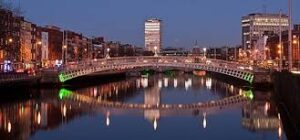
Top Biggest Cities in Ireland
Ireland, known for its rich culture, scenic landscapes, and vibrant history, is home to several dynamic cities that each offer their own unique charm. From bustling urban centers filled with history and innovation to coastal cities with stunning views and cultural heritage, Ireland has much to explore.
In this guide, we will take a closer look at the biggest cities in Ireland, highlighting what makes each one special. Whether you are planning a visit, considering relocation, or simply curious, this overview will give you a clear picture of Ireland’s urban landscape.
1. Dublin – The Capital and Largest City
No list of Ireland’s biggest cities would be complete without Dublin. As the capital and largest city, Dublin is the political, economic, and cultural heart of the country.
Located on the east coast, Dublin is home to over a million people in its metropolitan area. It is known for its rich literary history, vibrant nightlife, and thriving tech industry.
Highlights:
- Historic landmarks like Trinity College and Dublin Castle
- A lively pub scene, including the famous Temple Bar district
- Headquarters of major global companies
Dublin seamlessly blends history with modern innovation, making it one of Europe’s most exciting cities.
2. Cork – The Rebel City
The second-largest city in Ireland is Cork, often referred to as the “Rebel City.” Located in the south of the country, Cork has a strong identity and a reputation for independence.
Cork is built around the River Lee and features a mix of historic architecture and modern development.
Highlights:
- English Market, one of the oldest food markets in Europe
- A thriving food scene and cultural festivals
- Close proximity to scenic coastal areas
Many locals proudly claim Cork as the “real capital” of Ireland due to its unique character.
3. Limerick – A City of History and Renewal
Limerick is the third-largest city and is located in the mid-west region. It sits along the River Shannon, Ireland’s longest river.
Limerick has undergone significant regeneration in recent years, transforming into a modern city while preserving its medieval roots.
Highlights:
- King John’s Castle, a well-presed medieval fortress
- A growing arts and cultural scene
- Strong educational institutions
Limerick offers a mix of history, culture, and innovation, making it an increasingly popular destination.
4. Galway – The Cultural Capital
Situated on the west coast, Galway is known as Ireland’s cultural capital. Although smaller than Dublin, Cork, and Limerick, Galway has a vibrant atmosphere that attracts visitors from around the world.
The city is famous for its arts scene, festivals, and traditional Irish music.
Highlights:
- Galway International Arts Festival
- Colorful streets and lively pubs
- Gateway to the Wild Atlantic Way
Galway’s bohemian spirit and coastal charm make it one of Ireland’s most beloved cities.
5. Waterford – Ireland’s Oldest City
Waterford is the oldest city in Ireland, founded by Vikings in the 9th century. Located in the southeast, Waterford is known for its rich history and craftsmanship.
Highlights:
- Waterford Crystal, world-famous glassware
- Viking Triangle, a historic district
- Beautiful coastal surroundings
Waterford combines ancient history with modern living, offering a unique perspective on Ireland’s past.
6. Drogheda – A Historic Town with City Feel
Drogheda is one of the largest towns in Ireland and is often considered a city due to its size and historical importance.
Located north of Dublin, Drogheda has a rich medieval history and serves as a commuter hub for the capital.
Highlights:
- St. Laurence Gate, a well-preserved medieval gate
- Proximity to the UNESCO-listed Brú na Bóinne
- Strong community atmosphere
Drogheda offers a blend of history and modern convenience.
7. Dundalk – A Growing Urban Center
Dundalk is located near the border with United Kingdom (specifically Northern Ireland). It is one of the fastest-growing urban areas in the country.
Highlights:
- Strategic location between Dublin and Belfast
- Growing business and industrial sector
- Access to scenic landscapes
Dundalk is becoming an increasingly important economic hub.
8. Bray – Coastal Living Near Dublin
Bray is a coastal town located just south of Dublin. It is popular for its seaside atmosphere and proximity to the العاصمة.
Highlights:
- Bray Seafront and promenade
- Bray Head for hiking and scenic views
- Easy access to Dublin
Bray is ideal for those who want a quieter lifestyle while staying close to the capital.
9. Navan – A Rapidly Growing Town
Navan is one of Ireland’s fastest-growing towns, located in County Meath.
Highlights:
- Close to historical sites like the Hill of Tara
- Family-friendly environment
- Expanding infrastructure
Navan is becoming a popular choice for families and commuters.
10. Kilkenny – Medieval Charm
Kilkenny is a small but culturally rich city known for its medieval architecture and artistic community.
Highlights:
- Kilkenny Castle
- Narrow cobbled streets
- Arts and crafts scene
Kilkenny’s charm lies in its ability to preserve history while embracing modern creativity.
Urban Life in Ireland
Ireland’s cities vary greatly in size and character, but they share some common features:
- Strong community spirit
- Rich historical backgrounds
- Access to natural beauty
- Growing economies
While Dublin dominates as the largest city, smaller cities like Galway and Cork offer unique lifestyles that are equally appealing.
Conclusion
Ireland’s biggest cities each tell their own story. From the bustling streets of Dublin to the artistic vibe of Galway and the historic charm of Kilkenny, there is something for everyone.
Whether you are drawn to history, culture, business opportunities, or natural beauty, Ireland’s cities provide a diverse range of experiences. Exploring these urban centers is one of the best ways to understand the country’s identity and discover what makes it so special.
In the end, the biggest cities in Ireland are not just about size—they are about character, culture, and the people who bring them to life.