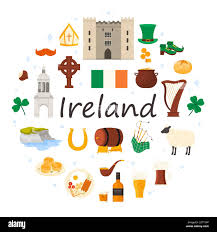
A Quick Guide to Irish Culture
Ireland is a country rich in history, tradition, and vibrant modern life. Known for its lush green landscapes, friendly people, and deep cultural roots, Ireland offers a unique blend of ancient heritage and contemporary creativity. Whether you are planning to visit, study, or simply learn more about this fascinating nation, understanding Irish culture will give you a deeper appreciation of what makes it so special.
The Heart of Irish Identity
Irish culture is deeply tied to a strong sense of identity, shaped by centuries of history, storytelling, and resilience. From ancient Celtic traditions to modern urban life, the Irish people take great pride in their heritage.
A key part of this identity is the Irish language, also known as Gaelic. Although English is the most widely spoken language in Ireland today, Irish is still taught in schools and used in certain regions known as the Gaeltacht. It remains an important symbol of national pride and cultural continuity.
A Land of History and Legends
Ireland’s history stretches back thousands of years, and its culture is filled with myths, legends, and historical events that continue to influence modern life.
Ancient Celtic traditions play a major role in Irish identity. Stories of warriors, kings, and mythical creatures have been passed down through generations. One famous legend is that of Cú Chulainn, a heroic figure known for his strength and bravery.
Ireland is also known for its historical struggles, including its long relationship with the United Kingdom. Events such as the Easter Rising played a crucial role in shaping modern Ireland and its independence.
Irish Music and Dance
Music is at the heart of Irish culture. Traditional Irish music is lively, emotional, and deeply rooted in the country’s history.
Traditional Instruments
Common instruments include:
- The fiddle
- The tin whistle
- The bodhrán (a traditional drum)
- The harp, Ireland’s national symbol
Irish music is often played in pubs, where locals and visitors gather to enjoy live performances in a warm and welcoming atmosphere.
Irish dance is equally famous, characterized by fast footwork and precise movements. Shows like Riverdance have brought Irish dance to international audiences.
Literature and Storytelling
Ireland has a rich literary tradition and has produced some of the world’s most celebrated writers.
Famous Irish authors include:
- James Joyce
- W. B. Yeats
- Oscar Wilde
Storytelling has always been an essential part of Irish culture. In the past, stories were shared orally, often by the fireside, preserving history and folklore through generations.
Even today, this tradition lives on in modern literature, theater, and everyday conversation.
Festivals and Celebrations
Ireland is known for its lively festivals, many of which are rooted in ancient traditions.
St. Patrick’s Day
The most famous Irish celebration is St. Patrick’s Day, held on March 17th. It honors Ireland’s patron saint and is celebrated with parades, music, dancing, and lots of green clothing.
Other Festivals
- Traditional music festivals
- Literary festivals
- Food and cultural events
These celebrations highlight Ireland’s love for community, creativity, and fun.
Irish Food and Drink
Irish cuisine is hearty, simple, and comforting, often made with fresh, local ingredients.
Traditional Dishes
- Irish stew (lamb, potatoes, and vegetables)
- Soda bread
- Fish and chips
- Colcannon (mashed potatoes with cabbage)
Ireland is also famous for its beverages, especially its world-renowned stout beer, Guinness, which has become a symbol of Irish culture worldwide.
Pubs play a central role in social life, serving as places for conversation, music, and relaxation.
The Importance of Community
One of the most defining aspects of Irish culture is the strong sense of community. Irish people are known for their friendliness, warmth, and hospitality.
Visitors often notice how easy it is to strike up a conversation with locals. Whether in a small village or a bustling city like Dublin, people are generally welcoming and open.
This sense of community is reflected in everyday life, from local gatherings to national celebrations.
Religion and Traditions
Religion has historically played a significant role in Irish culture, particularly Christianity. Churches and religious traditions have influenced many aspects of life, including education, holidays, and social values.
Although modern Ireland is becoming more diverse and secular, religious traditions still hold cultural importance for many people.
Sports and National Pride
Sports are a major part of Irish culture and identity. Traditional Irish sports are governed by the Gaelic Athletic Association (GAA).
Popular Irish Sports:
- Gaelic football
- Hurling
- Camogie
These sports are unique to Ireland and are played passionately at both local and national levels.
International sports like soccer and rugby are also popular, with Irish teams enjoying strong support from fans.
The Irish Landscape and Its Influence
Ireland’s natural beauty has a profound influence on its culture. Known as the “Emerald Isle,” the country is famous for its green hills, rugged coastlines, and scenic countryside.
Places like Cliffs of Moher attract visitors from around the world and inspire artists, writers, and musicians.
Nature is deeply connected to Irish identity, often appearing in folklore, poetry, and everyday life.
Modern Irish Culture
While Ireland is proud of its traditions, it is also a modern and dynamic country. Cities like Dublin are hubs of technology, education, and innovation.
Ireland is home to major global companies, a thriving arts scene, and a young, diverse population. This blend of old and new creates a culture that is both rooted in history and open to the future.
Irish Humor and Personality
Irish people are known for their unique sense of humor, often described as witty, playful, and sometimes self-deprecating.
Storytelling, jokes, and clever wordplay are common in everyday conversation. This humor is an important part of social interaction and helps create a relaxed and friendly atmosphere.
Conclusion
Irish culture is a rich and fascinating mix of history, tradition, and modern life. From its ancient legends and vibrant music to its warm hospitality and stunning landscapes, Ireland offers something truly unique.
Understanding Irish culture means appreciating its deep roots in storytelling, community, and creativity. Whether you are exploring its cities, enjoying traditional music in a pub, or learning about its history, you will quickly see why Ireland continues to captivate people from all over the world.
In the end, Ireland is more than just a destination—it is an experience shaped by its people, its past, and its enduring spirit.