🇺🇸
US Dollar
$
🇪🇺
Euro
€
Ireland’s Currency Explained: The Euro Today
Ireland is a modern European country with a strong economy and a well-established financial system. One of the most important aspects of any country’s economy is its currency, and in Ireland’s case, that currency is the Euro. Understanding how the euro works in Ireland today provides insight into the country’s economic stability, its connection to Europe, and its role in global trade.
This article offers a clear and simple explanation of Ireland’s currency, including its history, how it is used today, and why it matters for both residents and visitors.
The Currency Used in Ireland Today
Ireland officially uses the euro (€), which is the common currency shared by many countries in the European Union. The euro was introduced in Ireland in 1999 for electronic transactions and became available in physical form—coins and banknotes—in 2002.
Today, all everyday transactions in Ireland—from buying groceries to paying rent—are done using the euro. Prices are displayed in euros, and all financial institutions operate using this currency.
The euro is divided into 100 cents, and it comes in both coins and banknotes:
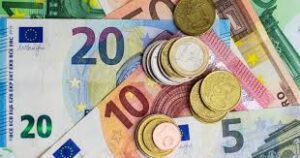
- Coins: 1c, 2c, 5c, 10c, 20c, 50c, €1, €2
- Banknotes: €5, €10, €20, €50, €100, €200
Each euro coin has a common European side and a national side. Irish euro coins feature a harp, a traditional symbol of Ireland.
A Look Back: Ireland’s Old Currency
Before adopting the euro, Ireland used its own currency called the Irish Pound, also known as the punt. This currency was in use for many years and was closely linked to the British pound in earlier times.
The transition from the Irish pound to the euro marked a major shift in Ireland’s economic direction. It symbolized the country’s deeper integration into the European economy and its commitment to shared financial systems within the European Union.
The changeover in 2002 was smooth, and today, the Irish pound is no longer in circulation.
Why Ireland Uses the Euro
Ireland is a member of the European Union, and it is also part of the Eurozone—a group of EU countries that use the euro as their official currency.
Using the euro offers several advantages:
1. Easier Trade
Because many European countries use the same currency, trade between them becomes simpler and more efficient. Irish businesses can easily buy and sell goods across borders without worrying about exchange rates.
2. Stable Economy
The euro is one of the world’s strongest currencies, managed by the European Central Bank. This helps ensure price stability and economic confidence.
3. Convenient Travel
For travelers, using the euro makes it easier to visit multiple countries in Europe without needing to exchange money frequently.
How the Euro Is Used in Daily Life
In Ireland, the euro is used in every aspect of daily life. Whether you are shopping, dining, or paying for transportation, all transactions are conducted in euros.
Digital Payments
Ireland is a highly modern country, and digital payments are widely used. Credit cards, debit cards, and mobile payment apps are accepted almost everywhere. Contactless payments are especially popular for small purchases.
Cash Usage
Although digital payments are common, cash is still widely accepted and used, particularly in small shops or rural areas.
ATMs and Banking
ATMs are easy to find across cities like Dublin, Cork, and Galway. Banks provide a full range of services, including currency exchange, savings accounts, and loans.
Exchange Rates and International Use
The euro is one of the most widely traded currencies in the world. Its value changes daily based on global economic conditions.
For example, the exchange rate between the euro and the US dollar fluctuates depending on factors such as:
- Economic growth
- Inflation rates
- Interest rates
- Global market trends
This is important for travelers, businesses, and investors who deal with multiple currencies.
Tips for Visitors to Ireland
If you are planning to visit Ireland, here are some simple tips related to currency:
1. Use Euros
Make sure to use euros for all purchases. Foreign currencies are generally not accepted in shops or restaurants.
2. Carry Some Cash
While cards are widely accepted, it is helpful to carry a small amount of cash for convenience.
3. Check Exchange Rates
Before exchanging money, check the current exchange rate to ensure you get a fair deal.
4. Avoid High Fees
Some exchange services and ATMs may charge high fees. It is often better to use bank ATMs or pay directly with a card.
The Euro’s Role in Ireland’s Economy
The euro plays a crucial role in Ireland’s economic success. As a country with strong international connections, Ireland benefits from being part of a shared currency system.
Many global companies, including Apple, Google, and Microsoft, have established operations in Ireland. The use of the euro makes it easier for these companies to operate across Europe.
Ireland’s economy is known for being open, dynamic, and export-driven. The euro supports this by reducing currency risks and encouraging investment.
Euro Design and Security
Euro banknotes are designed with advanced security features to prevent counterfeiting. These include:
- Watermarks
- Security threads
- Holograms
- Color-changing ink
Each banknote also features architectural designs representing different periods of European history, symbolizing unity and cooperation.
Ireland and the Future of the Euro
Ireland continues to be a strong supporter of the euro. As part of the Eurozone, the country works closely with other European nations to maintain economic stability and growth.
The future of the euro includes developments such as digital payments and the potential introduction of a digital euro. Ireland, being a technologically advanced country, is likely to play an active role in these innovations.
Conclusion
Ireland’s currency system is simple, modern, and closely connected to the wider European economy. The adoption of the euro has brought many benefits, including economic stability, easier trade, and convenience for travelers.
From its transition away from the Irish pound to its current role in the Eurozone, Ireland’s journey reflects its growth as a global and forward-thinking nation. Today, the euro is more than just a currency in Ireland—it is a symbol of connection, progress, and opportunity.
Whether you are a visitor, a student, or a business professional, understanding Ireland’s currency helps you better appreciate how the country functions in today’s interconnected world.