 All About Ireland: A Clear and Simple Overview
Ireland is a small but fascinating country located on the western edge of Europe. Known for its lush green landscapes, rich cultural traditions, and friendly people, Ireland has long been a favorite destination for travelers and a source of inspiration for writers, musicians, and historians. This article provides a clear and simple overview of Ireland, covering its geography, history, culture, economy, and daily life.
Geography and Location
Ireland is an island in the North Atlantic Ocean, west of Great Britain. It is divided into two parts: the Republic of Ireland and Northern Ireland, which is part of the United Kingdom. The Republic of Ireland covers most of the island and is an independent country.
The capital city, Dublin, is located on the east coast and serves as the political, economic, and cultural center of the country. Other major cities include Cork, Galway, and Limerick.
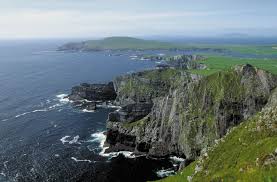
Ireland is often called the “Emerald Isle” because of its green countryside. The landscape features rolling hills, dramatic cliffs, rivers, and lakes. One of the most famous natural attractions is the Cliffs of Moher, which offer breathtaking views of the Atlantic Ocean.
A Brief History
Ireland has a long and complex history that dates back thousands of years. Early settlers arrived during the Stone Age, and over time, Celtic culture became dominant. The Celts brought their language, traditions, and mythology, which still influence Irish culture today.
In the 12th century, Ireland came under English control, leading to centuries of political and social conflict. One of the most significant events in Irish history is the Irish War of Independence, which resulted in the establishment of the Irish Free State in 1922.
Later, Ireland became a fully independent republic in 1949. However, Northern Ireland remained part of the United Kingdom. Tensions in Northern Ireland led to a period known as “The Troubles,” which lasted from the late 1960s until the Good Friday Agreement brought peace and stability.
Culture and Traditions
Irish culture is rich, vibrant, and deeply rooted in tradition. Music, dance, storytelling, and literature are central to everyday life.
Traditional Irish music often features instruments such as the fiddle, tin whistle, and bodhrán (a type of drum). Irish dancing, known for its fast footwork and stiff upper body, has gained international popularity through shows like Riverdance.
Ireland is also famous for its literature. Renowned writers such as James Joyce, W. B. Yeats, and Oscar Wilde have made significant contributions to world literature.
One of the most celebrated holidays in Ireland is Saint Patrick’s Day. It is marked by parades, music, dancing, and the wearing of green clothing.
Language
Ireland has two official languages: Irish (also known as Gaelic) and English. While English is the most widely spoken language, Irish is still taught in schools and used in certain regions known as “Gaeltacht” areas.
Road signs, government documents, and public announcements are often bilingual, reflecting the country’s effort to preserve its native language and heritage.
Economy and Modern Life
Ireland has a strong and modern economy. It is known for its technology sector, pharmaceutical industry, and financial services. Many global companies, such as Google and Facebook (now Meta), have their European headquarters in Dublin.
The country uses the Euro as its official currency. Over the past few decades, Ireland has transformed from an agricultural economy into a high-tech, globalized nation.
Despite modernization, Ireland maintains a strong sense of community and tradition. People often gather in local pubs to enjoy music, conversation, and social interaction.
Food and Cuisine
Irish cuisine is simple, hearty, and comforting. Traditional dishes often use local ingredients such as potatoes, meat, and dairy products.
Some popular Irish foods include:
- Irish stew (made with lamb, potatoes, and vegetables)
- Soda bread
- Fish and chips
- Shepherd’s pie
Irish breakfasts are also well-known and typically include eggs, sausages, bacon, black pudding, and toast.
In recent years, Ireland has developed a more diverse food scene, with international cuisines and modern restaurants becoming increasingly popular.
Tourism and Attractions
Ireland is a popular tourist destination thanks to its natural beauty and historical landmarks. Visitors come to explore castles, coastal cliffs, and charming villages.
Some must-visit attractions include:
- Blarney Castle, home of the famous Blarney Stone
- Ring of Kerry
- Giant’s Causeway
Ireland’s countryside is ideal for road trips, hiking, and photography. The combination of natural landscapes and historic sites makes it a unique travel experience.
Education and Lifestyle
Ireland has a well-developed education system, with several world-class universities such as Trinity College Dublin. Education is highly valued, and literacy rates are among the highest in the world.
The Irish lifestyle is generally relaxed and community-oriented. People are known for their friendliness and hospitality, often welcoming visitors with warmth and humor.
Sports also play an important role in Irish life. Traditional sports like Gaelic football and hurling are governed by the Gaelic Athletic Association and are widely followed across the country.
Transportation and Accessibility
Ireland has a well-connected transportation system, including buses, trains, and airports. Dublin Airport is the main international gateway, connecting Ireland to major cities around the world.
Public transportation is reliable in cities, while rural areas are best explored by car. Driving through Ireland offers stunning views of the countryside and coastline.
Climate and Weather
Ireland has a mild and temperate climate. Winters are generally cool but not extremely cold, while summers are mild and pleasant.
Rain is common throughout the year, which contributes to the country’s green landscapes. Visitors are often advised to carry a raincoat or umbrella, regardless of the season.
Conclusion
Ireland is a country that beautifully blends tradition and modernity. From its ancient history and cultural heritage to its thriving economy and welcoming people, Ireland offers something for everyone.
Whether you are interested in exploring historic castles, enjoying traditional music, or experiencing the vibrant city life of Dublin, Ireland provides a unique and memorable experience. Its natural beauty, rich culture, and warm hospitality make it a truly special place in the world.
In short, Ireland is not just a destination—it is an experience filled with charm, history, and heart.