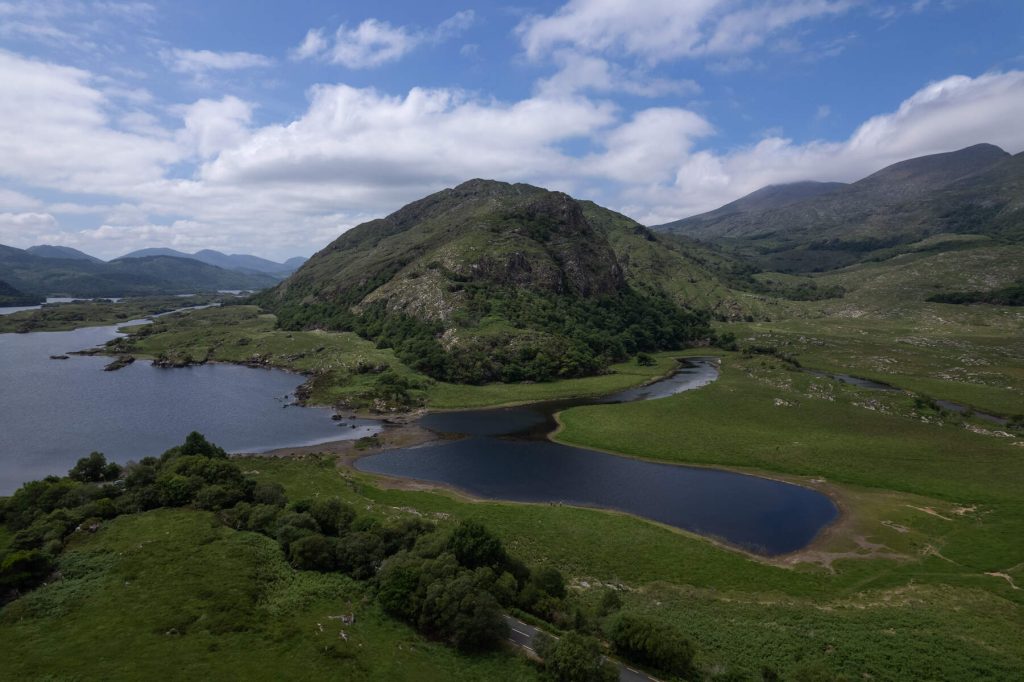
A Glimpse into the Soul of Ireland: Culture, Nature, and Serenity
There are places in the world that offer beauty, and there are places that offer meaning. Ireland manages to offer both—an island where landscapes stir emotion, traditions carry deep roots, and a quiet sense of serenity flows through everyday life. To truly understand Ireland is to look beyond its famous green fields and into the rhythm of its culture, the spirit of its people, and the peaceful balance it maintains between past and present.
Where Nature Speaks Softly
Ireland’s natural beauty is often described as breathtaking, but what makes it truly special is its subtlety. Unlike dramatic landscapes that overwhelm the senses, Ireland’s scenery invites you in gently. Rolling hills stretch endlessly under wide skies, and soft winds carry the scent of grass and sea. The land feels alive, yet calming—like a quiet conversation rather than a loud declaration.
One of the most iconic places to witness this harmony is the Cliffs of Moher. Rising high above the Atlantic Ocean, these cliffs offer sweeping views that feel both powerful and meditative. The sound of waves crashing below blends with the wind above, creating a natural rhythm that soothes as much as it inspires.
In contrast, inland regions such as Connemara provide a quieter, more introspective beauty. Here, vast open spaces, lakes, and rugged mountains create a sense of solitude that encourages reflection. The landscape feels untouched, almost timeless, as though it exists outside the pace of modern life.
This balance between dramatic and gentle scenery defines Ireland’s natural character. It is not just a place to see, but a place to feel—a destination where nature becomes part of your inner experience.
The Serenity of Slow Living
In many parts of Ireland, life unfolds at a slower pace. Small villages and rural communities offer a glimpse into a lifestyle that values simplicity, connection, and presence. Time seems to stretch in these places, allowing moments to be fully experienced rather than rushed.
Take Doolin, for example—a small coastal village known for its traditional music and welcoming atmosphere. Evenings here are not about schedules or plans, but about gathering in a local pub, listening to live music, and sharing stories with strangers who quickly feel like friends.
Similarly, Adare offers a peaceful charm with its thatched cottages and quiet streets. Walking through Adare, one can sense a deep appreciation for tradition and community, where modern life blends seamlessly with historical character.
This slower pace is not a limitation—it is a gift. It allows visitors to reconnect with themselves, to notice details, and to experience life in a more meaningful way.
A Culture Rooted in Story and Song
Ireland’s soul is perhaps most vividly expressed through its culture. Storytelling has long been a cornerstone of Irish identity, shaping how history, folklore, and personal experiences are shared. These stories are not confined to books—they are alive in conversations, music, and everyday interactions.
In cities like Dublin, this cultural richness takes on a literary form. Dublin has produced some of the world’s greatest writers, and its streets carry echoes of their words. Libraries, theaters, and cultural institutions keep this legacy alive, inviting visitors to engage with Ireland’s intellectual heritage.
Music, too, plays a central role. Traditional Irish music is not just a performance—it is a shared experience. In towns like Galway, live music fills the air, creating a vibrant and inclusive atmosphere. Instruments like the fiddle, tin whistle, and bodhrán come together to produce melodies that are both joyful and deeply emotional.
Festivals, gatherings, and local events further highlight Ireland’s cultural vibrancy. These occasions bring people together, reinforcing a sense of community and shared identity.
History Woven into the Landscape
Ireland’s history is not confined to museums—it is embedded in the land itself. Ancient ruins, medieval castles, and historic towns serve as reminders of the country’s long and complex past.
The Blarney Castle is one such example, combining architectural beauty with legend. Visitors come not only to see the castle but also to participate in the tradition of kissing the Blarney Stone, believed to grant the gift of eloquence.
Elsewhere, cities like Kilkenny offer a journey back in time with their well-preserved streets and historic landmarks. Walking through Kilkenny feels like stepping into another era, where history is not just remembered but experienced.
These sites provide more than historical insight—they create a connection between past and present, allowing visitors to understand how Ireland’s identity has been shaped over centuries.
The Warmth of the People
Perhaps the most defining aspect of Ireland is its people. Irish hospitality is not a stereotype—it is a genuine reflection of how people interact with one another and with visitors.
There is a natural openness in Irish culture. Conversations begin easily, often with humor and curiosity, and can quickly turn into meaningful exchanges. Whether in a small village or a busy city, this sense of connection is ever-present.
In pubs, cafes, and public spaces, people gather not just to socialize but to share experiences. These interactions create a welcoming environment that makes visitors feel at home, even when they are far from it.
Urban Energy Meets Timeless Charm
While Ireland is often associated with its countryside, its cities offer a different kind of beauty—one that blends modern energy with historical depth.
Cork, for instance, is known for its vibrant food scene and creative spirit. Its streets are filled with markets, restaurants, and cultural venues that reflect a city in motion.
In the north, Belfast showcases resilience and transformation. Once defined by its industrial past, Belfast has evolved into a dynamic urban center with a strong cultural identity.
These cities provide contrast to Ireland’s शांत countryside, offering experiences that are lively, diverse, and forward-looking. Yet even in these urban spaces, the essence of Ireland remains—visible in the architecture, the music, and the people.
A Place of Reflection
What sets Ireland apart is its ability to inspire reflection. Whether standing on a windswept cliff, walking through a quiet village, or listening to music in a crowded pub, there is a sense of presence that encourages introspection.
This quality of serenity is not accidental—it is deeply rooted in the country’s relationship with nature, culture, and community. Ireland invites visitors to slow down, to listen, and to connect—not just with the surroundings, but with themselves.
Conclusion
“A Glimpse into the Soul of Ireland: Culture, Nature, and Serenity” is more than a description—it is an invitation. It invites travelers to look beyond the surface and to experience Ireland in a way that is both personal and profound.
From the gentle beauty of its landscapes to the richness of its culture and the warmth of its people, Ireland offers a journey that goes far beyond sightseeing. It is a place where every moment carries meaning, where every interaction tells a story, and where every landscape feels like a reflection of something deeper.
In the end, Ireland is not just a destination—it is a feeling. A quiet, enduring sense of peace and wonder that stays with you long after you leave its shores.