How to Save and Invest Wisely in Ireland
Managing money effectively is one of the most important life skills, especially in a country like Ireland where the cost of living can be relatively high. Whether you are a student, a working professional, or an expat settling in cities like Dublin or Cork, understanding how to save and invest wisely can help you achieve long-term financial stability.
Ireland offers a strong financial system, modern banking services, and access to global investment opportunities. However, navigating savings accounts, taxes, and investment options requires knowledge and planning. This guide will provide practical tips to help you build wealth, manage risks, and make smart financial decisions in Ireland.
Understanding the Financial Landscape in Ireland
Before you start saving or investing, it’s important to understand how the financial system works. Ireland has a regulated banking and investment environment overseen by institutions like the Central Bank of Ireland. This ensures that financial products are transparent and secure.
However, Ireland also has specific tax rules, particularly around investments, that can impact your returns. Being aware of these rules will help you plan more effectively.
1. Build a Strong Savings Foundation
Saving money is the first step before investing. A solid savings plan helps you handle emergencies and avoid unnecessary debt.
Start by setting clear financial goals:
- Short-term goals (travel, gadgets, education)
- Medium-term goals (car, home deposit)
- Long-term goals (retirement, financial independence)
A common recommendation is to build an emergency fund covering 3–6 months of living expenses. This ensures you are financially prepared for unexpected situations such as job loss or medical expenses.
2. Open the Right Savings Account
Ireland offers various savings accounts through banks and financial institutions. Choosing the right account can help you maximize your savings.
Look for:
- Competitive interest rates
- Low or no fees
- Easy access to funds
Banks like Bank of Ireland and Allied Irish Banks provide different savings options tailored to various needs.
You can also consider credit unions, which often offer community-focused savings plans and loans with favorable terms.
3. Track Your Spending and Budget Smartly
Budgeting is essential for saving money consistently. Use mobile apps or spreadsheets to track your income and expenses.
A simple budgeting rule is the 50/30/20 method:
- 50% for needs (rent, food, bills)
- 30% for wants (entertainment, shopping)
- 20% for savings and investments
Living in Ireland, especially in urban areas, can be expensive, so tracking your spending helps you identify areas where you can cut costs.
4. Reduce Debt Before Investing
High-interest debt, such as credit card balances, can quickly erode your financial stability. Before investing, focus on paying off debts with high interest rates.
Reducing debt:
- Frees up more money for saving
- Reduces financial stress
- Improves your credit score
Once your debt is under control, you can allocate more funds toward investments.
5. Understand Investment Options in Ireland
Ireland offers a variety of investment opportunities suitable for different risk levels and financial goals.
Common options include:
- Stocks and shares
- Exchange-traded funds (ETFs)
- Bonds
- Property investment
- Pension funds
Each option has its own risk and return profile. For beginners, diversified investments such as ETFs are often a good starting point.
6. Start Investing Early
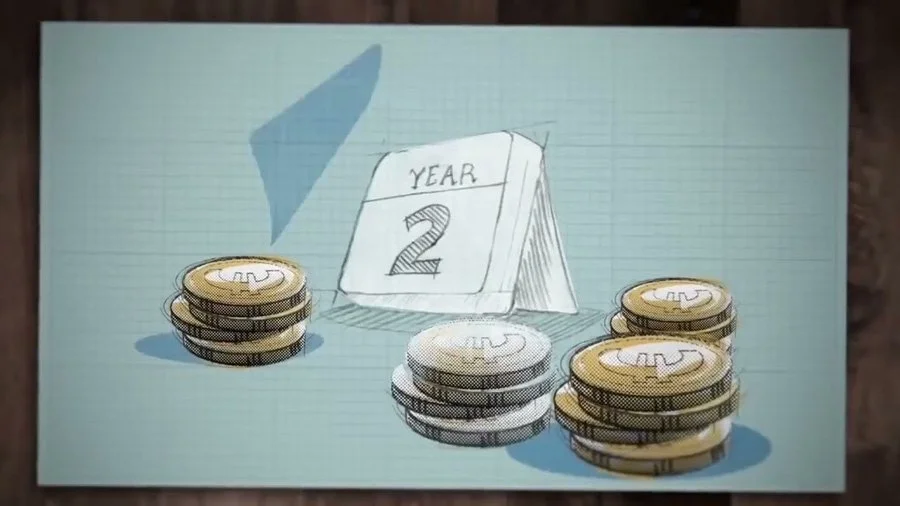
One of the most powerful strategies in investing is starting early. The longer your money is invested, the more it can grow through compound interest.
Even small, regular contributions can lead to significant growth over time. Consistency is more important than the amount you invest initially.
7. Take Advantage of Pension Schemes
In Ireland, pension schemes are one of the most tax-efficient ways to invest for the future. Employer-sponsored pension plans often include contributions from both the employee and employer.
Benefits of pension schemes:
- Tax relief on contributions
- Long-term financial security
- Employer matching contributions
Planning for retirement early ensures a comfortable future.
8. Be Aware of Investment Taxes
Ireland has specific tax rules that investors must understand. For example:
- Capital Gains Tax (CGT) applies to profits from selling investments
- Dividend income may be taxed
- Certain investment funds are subject to exit tax
Understanding these taxes helps you calculate your real returns and avoid surprises.
9. Diversify Your Investments
Diversification is key to reducing risk. Instead of putting all your money into one investment, spread it across different assets.
For example:
- Combine stocks, bonds, and property
- Invest in different industries and regions
Diversification protects your portfolio from market fluctuations and improves long-term stability.
10. Use Digital Investment Platforms
Technology has made investing more accessible than ever. Online platforms allow you to buy and manage investments بسهولة and efficiently.
These platforms offer:
- Low fees
- Easy portfolio management
- Educational resources
However, always choose regulated platforms to ensure your investments are secure.
11. Invest in Property Carefully
Property investment is popular in Ireland, but it requires careful planning due to high property prices, especially in cities like Galway.
Consider:
- Location and demand
- Rental yield
- Maintenance costs
- Mortgage rates
While property can generate steady income, it also involves significant upfront costs and responsibilities.
12. Build Long-Term Financial Discipline
Saving and investing are not one-time actions—they require consistent discipline. Develop habits such as:
- Saving a fixed percentage of your income
- Reviewing your financial goals regularly
- Avoiding impulsive spending
Discipline ensures steady progress toward financial independence.
13. Protect Your Investments
Risk management is an important part of investing. Consider:
- Insurance for major assets
- Emergency funds
- Low-risk investments for stability
Balancing risk and security helps protect your wealth over time.
14. Seek Professional Advice When Needed
If you are unsure about financial decisions, consulting a financial advisor can be helpful. Professionals can provide personalized advice based on your goals and risk tolerance.
Make sure the advisor is regulated and experienced in the Irish financial market.
15. Stay Informed and Keep Learning
Financial markets and regulations change over time. Staying informed helps you make better decisions.
Follow:
- Financial news
- Investment trends
- Government policies
Continuous learning allows you to adapt and improve your financial strategy.
Conclusion
Saving and investing wisely in Ireland requires a combination of planning, discipline, and knowledge. From building a strong savings foundation to exploring diverse investment options, each step plays a crucial role in achieving financial stability.
By understanding the Irish financial system, managing your expenses, and making informed investment decisions, you can grow your wealth and secure your future. Whether you are living in Limerick or anywhere else in the country, these strategies will help you navigate your financial journey with confidence.
Ultimately, the key to success is consistency. Start small, stay committed, and make smart choices—your future self will thank you.