Exploring Ireland’s Traditional Dishes
Ireland is a country known not only for its lush green landscapes and warm hospitality but also for its rich culinary heritage. Traditional Irish dishes reflect the island’s history, climate, and agricultural roots. Influenced by centuries of farming, fishing, and simple home cooking, Irish cuisine focuses on hearty ingredients such as potatoes, meat, dairy, and fresh seafood. In this article, we will explore the most iconic traditional dishes from Ireland, uncovering their origins, ingredients, and why they continue to be beloved today.
The Heart of Irish Cuisine
Before diving into specific dishes, it is important to understand what defines Irish food. Historically, Ireland was an agricultural society where families relied heavily on what they could grow or raise themselves. The fertile land and temperate climate made it ideal for producing potatoes, oats, barley, and dairy products. Meat, especially lamb and beef, was also common, while coastal areas benefited from abundant seafood.
Irish cooking is known for its simplicity. Rather than relying on complex spices or elaborate techniques, traditional recipes emphasize natural flavors and wholesome ingredients. This approach creates dishes that are comforting, filling, and deeply satisfying.
Irish Stew: The National Classic
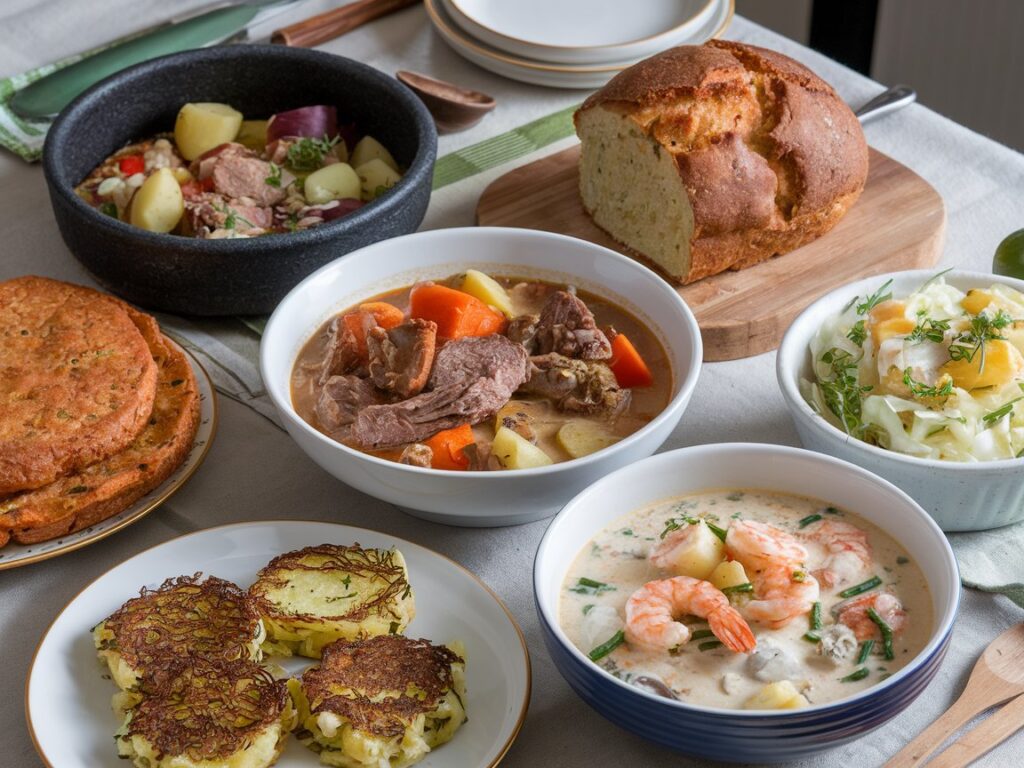
One of the most famous dishes from Ireland is Irish stew. Traditionally made with lamb, potatoes, onions, and sometimes carrots, this dish is a symbol of Irish home cooking. It dates back centuries and was originally prepared by rural families using readily available ingredients.
The beauty of Irish stew lies in its simplicity. The ingredients are slow-cooked together, allowing the flavors to blend into a rich and hearty meal. In modern variations, beef is often used instead of lamb, and herbs such as thyme or parsley may be added for extra flavor.
Irish stew is more than just food—it represents warmth, tradition, and family gatherings. It is often enjoyed during colder months, making it the perfect comfort dish.
Colcannon: A Creamy Potato Delight
Potatoes are a cornerstone of Irish cuisine, and colcannon is one of the most beloved potato-based dishes. This traditional recipe combines mashed potatoes with cabbage or kale, butter, and milk or cream.
Colcannon is especially popular during Halloween, where it is sometimes served with hidden charms or coins for good luck. The creamy texture and mild flavor make it a comforting side dish that pairs well with meat or fish.
This dish highlights how Irish cuisine transforms simple ingredients into something truly delicious. The combination of buttery potatoes and fresh greens creates a balance that is both nutritious and satisfying.
Boxty: Ireland’s Potato Pancake
Another creative use of potatoes is boxty, a type of Irish potato pancake. Made from a mixture of grated raw potatoes, mashed potatoes, flour, and baking soda, boxty is fried until golden and crispy.
Boxty can be served in various ways—either as a breakfast item, a side dish, or even as a wrap filled with meat or vegetables. Its versatility has helped it remain popular in modern Irish cuisine.
There is even a traditional rhyme associated with boxty:
“Boxty on the griddle, boxty on the pan,
If you can’t make boxty, you’ll never get a man.”
This playful saying shows just how deeply rooted boxty is in Irish culture.
Soda Bread: A Staple in Every Home
Irish soda bread is one of the simplest and most iconic breads in the world. Unlike traditional bread, it uses baking soda instead of yeast as a leavening agent. The ingredients typically include flour, baking soda, salt, and buttermilk.
The result is a dense yet soft bread with a slightly tangy flavor. It is often marked with a cross on top before baking, which historically was believed to ward off evil spirits or bless the bread.
Soda bread is incredibly versatile. It can be enjoyed with butter and jam, served alongside soups and stews, or even used as a base for sandwiches.
Shepherd’s Pie: A Comfort Food Favorite
Shepherd’s pie is another classic Irish dish that has gained international popularity. It consists of minced lamb cooked with vegetables and gravy, topped with a layer of mashed potatoes, and baked until golden.
In some variations, beef is used instead of lamb, in which case it is often called cottage pie. Regardless of the version, this dish is known for its comforting flavors and satisfying texture.
Shepherd’s pie is a perfect example of how Irish cuisine uses simple ingredients to create meals that are both hearty and flavorful.
Black and White Pudding: Traditional Breakfast Staples
A traditional Irish breakfast is not complete without black pudding and white pudding. These are types of sausages made from oats, fat, and seasonings, with black pudding also containing blood.
While the idea may seem unusual to some, these puddings are rich in flavor and have been part of Irish cuisine for centuries. They are typically served alongside eggs, bacon, sausages, and grilled tomatoes.
This hearty breakfast reflects Ireland’s farming heritage, providing the energy needed for a long day of work.
Seafood Chowder: A Taste of the Coast
Given Ireland’s location as an island, it is no surprise that seafood plays an important role in its cuisine. Seafood chowder is a creamy soup made with a variety of fish and shellfish, such as salmon, cod, mussels, and prawns.
The chowder is often enriched with cream, potatoes, and herbs, creating a rich and comforting dish. It is especially popular in coastal regions, where fresh seafood is readily available.
Seafood chowder showcases the diversity of Irish cuisine, combining land and sea ingredients into one delicious meal.
Coddle: A Dublin Specialty
Coddle is a traditional dish associated with Dublin. It is made with sausages, bacon, potatoes, and onions, all slowly cooked together in a broth.
This dish was historically popular among working-class families because it used affordable ingredients and required minimal preparation. The slow cooking process allows the flavors to develop, resulting in a comforting and hearty meal.
Coddle remains a beloved dish in Dublin, often enjoyed as a nostalgic reminder of the city’s culinary traditions.
Barmbrack: A Sweet Tradition
Barmbrack is a traditional Irish fruit bread, often associated with Halloween. It is made with dried fruits such as raisins and sultanas, soaked in tea to enhance their flavor.
Similar to colcannon, barmbrack sometimes contains hidden objects, each with a special meaning. For example, finding a ring might symbolize marriage, while a coin could represent wealth.
This sweet bread is typically enjoyed with butter and a cup of tea, making it a comforting treat during the colder months.
Irish Breakfast: A Hearty Start
The full Irish breakfast is a meal in itself. It usually includes eggs, sausages, bacon (rashers), black and white pudding, baked beans, grilled tomatoes, and toast.
This breakfast is known for its generous portions and rich flavors. It reflects Ireland’s tradition of starting the day with a substantial meal, especially in rural areas where physical labor was common.
Today, the Irish breakfast is enjoyed not only in Ireland but also in many parts of the world, often served in hotels and cafes.
The Role of Dairy in Irish Cuisine
Ireland is famous for its high-quality dairy products, including butter, cheese, and milk. Irish butter, in particular, is known for its rich flavor and creamy texture, thanks to the country’s grass-fed cows.
Cheeses such as cheddar and farmhouse varieties are also widely enjoyed. These dairy products play an essential role in many traditional dishes, adding depth and richness to the flavors.
Modern Influence on Traditional Dishes
While traditional Irish dishes remain popular, modern chefs in Ireland have begun to reinterpret these classics. By incorporating new techniques and global influences, they are creating innovative versions of traditional recipes.
For example, Irish stew might be served with gourmet ingredients, or boxty could be transformed into a fine dining dish. Despite these changes, the essence of Irish cuisine—simple, fresh, and hearty—remains intact.
Why Irish Traditional Dishes Matter
Traditional Irish dishes are more than just food—they are a reflection of the country’s history, culture, and way of life. From the humble potato to the rich flavors of seafood chowder, each dish tells a story about Ireland’s past and present.
These meals bring people together, whether it is a family dinner, a festive celebration, or a casual gathering with friends. They also offer visitors a chance to experience the authentic taste of Ireland.
Conclusion
Exploring Ireland’s traditional dishes is a journey into the heart of its culture. From the comforting warmth of Irish stew to the sweet richness of barmbrack, these dishes showcase the simplicity and quality of Irish cooking.
What makes Irish cuisine truly special is its ability to turn everyday ingredients into memorable meals. Whether you are visiting Ireland or simply trying these recipes at home, you will discover a culinary tradition that is both timeless and deeply satisfying.
In a world of fast food and complex recipes, Irish traditional dishes remind us of the beauty of simplicity, the importance of community, and the joy of sharing a good meal.