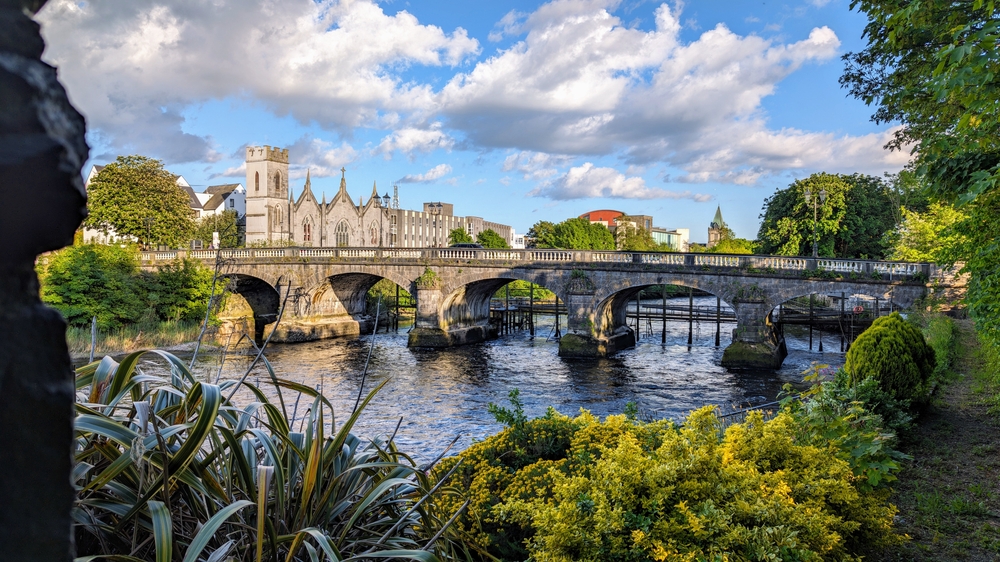
What Makes Ireland’s Atmosphere So Special
Ireland is often described as a place that feels different the moment you arrive. It is not just about the scenery, the food, or the landmarks—it is something deeper, more emotional, and almost intangible. Visitors frequently speak of a unique “atmosphere” that makes Ireland unforgettable. But what exactly creates this special feeling? The answer lies in a combination of natural beauty, rich history, cultural warmth, and a rhythm of life that feels both calming and alive at the same time.
A Landscape That Feels Alive
One of the first things people notice about Ireland is its landscape. Known as the “Emerald Isle,” Ireland is covered in rolling green hills, dramatic cliffs, and vast open countryside. The greenery is not just a visual feature—it contributes to a sense of freshness and vitality that defines the atmosphere.
The constant presence of nature plays a big role in shaping how Ireland feels. Whether it’s the rugged coastline, quiet lakes, or misty mountains, there is a sense that the land itself has a personality. The changing weather—sunshine followed by rain, then clouds drifting across the sky—adds movement and mood to the environment. This dynamic quality gives Ireland an almost magical feel, as if the scenery is always telling a story.
The Influence of Weather and Light
Ireland’s weather is famously unpredictable, but it is also a key part of its charm. The soft rain, often referred to as a “mist,” creates a calm and reflective atmosphere. Rather than being harsh or overwhelming, the rain tends to be gentle, adding a peaceful rhythm to daily life.
Light in Ireland is also unique. Because of its geographic location, the country often experiences long twilight hours, especially in the summer. The sky can shift through a wide range of colors—soft pinks, deep blues, and glowing gold—creating moments that feel almost cinematic. These natural elements combine to give Ireland a sense of calm and quiet beauty that is hard to find elsewhere.
A Deep Connection to History
Ireland’s atmosphere is deeply influenced by its long and complex history. Ancient ruins, castles, and stone structures can be found across the country, often blending seamlessly into the landscape. These historical elements are not just tourist attractions—they are part of everyday life.
Walking through Ireland, it is common to feel a connection to the past. Old churches, medieval towns, and ancient burial sites create a sense of continuity, as if the present and the past exist side by side. This historical depth adds a layer of meaning to the atmosphere, making it feel rich and timeless.
Stories and legends are also an important part of Irish culture. Folklore about fairies, spirits, and mythical creatures has been passed down through generations, contributing to the sense that Ireland is a place where imagination and reality are closely intertwined.
The Warmth of the People
Perhaps the most important factor in Ireland’s atmosphere is its people. Irish hospitality is well known around the world, and it plays a huge role in how the country feels to visitors. People in Ireland are often described as friendly, open, and welcoming.
Conversations with strangers are common, whether in a small village shop or a busy city street. There is a natural ease in social interactions, making visitors feel comfortable and included. Humor is also a key part of Irish culture, with wit and storytelling often used to connect with others.
This warmth creates an environment where people feel at home, even if they are far from their own country. It is not just about politeness—it is a genuine sense of kindness and community that shapes the overall atmosphere.
The Role of Music and Art
Music is deeply embedded in Irish culture and adds another layer to its unique atmosphere. Traditional Irish music, often played in pubs and local gatherings, creates a lively and emotional experience. Instruments like the fiddle, tin whistle, and bodhrán bring a distinctive sound that is instantly recognizable.
Live music sessions are common, especially in smaller towns and villages. These gatherings are not just performances—they are social events where people come together to share in the experience. The music can be joyful, melancholic, or energetic, reflecting the wide range of emotions that define Irish culture.
Art and literature also play an important role. Ireland has produced many famous writers and poets, and there is a strong appreciation for storytelling. This creative spirit contributes to the overall atmosphere, giving it a sense of depth and expression.
A Slower Pace of Life
Another factor that makes Ireland’s atmosphere special is its pace of life. In many parts of the country, especially outside major cities, life moves more slowly. There is less emphasis on rushing and more focus on enjoying the moment.
This slower rhythm allows people to connect more deeply with their surroundings and with each other. Whether it’s taking a walk through the countryside, enjoying a meal with family, or spending time in a local pub, there is a sense of balance that feels refreshing.
Even in cities like Dublin, where life is more fast-paced, there is still an underlying sense of calm that sets Ireland apart from many other urban environments.
The Charm of Small Towns and Villages
While cities have their own appeal, much of Ireland’s atmosphere can be found in its small towns and villages. These places often have a strong sense of identity and community, with local traditions and customs still very much alive.
Colorful houses, narrow streets, and local shops create a charming and welcoming environment. It is common to see people greeting each other by name, reflecting the close-knit nature of these communities.
In these settings, visitors can experience a more authentic side of Ireland, where daily life is closely connected to tradition and local culture.
A Sense of Mystery and Imagination
Ireland is often associated with mystery and imagination, and this is a key part of its atmosphere. The landscape, combined with folklore and history, creates a sense that there is always more beneath the surface.
Fog rolling over hills, ancient ruins hidden in the countryside, and quiet forests all contribute to this feeling. It is easy to imagine stories unfolding in these settings, adding a layer of wonder to the experience.
This sense of mystery does not feel dark or unsettling—instead, it is inviting and intriguing, encouraging exploration and curiosity.
Food and Gathering Traditions
Food also contributes to Ireland’s atmosphere, particularly in how it brings people together. Traditional meals are often hearty and comforting, reflecting the country’s agricultural roots.
More importantly, meals are seen as opportunities for connection. Gathering around a table, sharing stories, and enjoying each other’s company are central to Irish culture. This emphasis on togetherness reinforces the warm and welcoming atmosphere that defines the country.
A Balance Between Old and New
Ireland has managed to balance tradition with modernity in a way that enhances its atmosphere. While the country has embraced technological and cultural changes, it has also preserved its heritage.
Modern cities coexist with ancient landmarks, and contemporary lifestyles blend with traditional customs. This balance creates a dynamic environment where the past and present complement each other rather than compete.
Conclusion
What makes Ireland’s atmosphere so special is not just one element, but a combination of many factors working together. The natural beauty, ever-changing weather, rich history, and vibrant culture all play a role. Above all, it is the warmth of the people and the sense of connection—both to the land and to each other—that truly define Ireland’s unique feeling.
Ireland is a place where you can slow down, reflect, and experience something genuine. It is a country that invites you not just to see it, but to feel it. And once you have experienced its atmosphere, it is something that stays with you long after you leave.