Traditional Irish Food: Simple and Delicious Classics
When people think of Ireland, images of rolling green hills, lively pubs, and rich cultural traditions often come to mind. Yet one of the most authentic ways to understand Ireland is through its food. Traditional Irish cuisine reflects the country’s history, climate, and way of life—simple, hearty, and deeply satisfying. Rooted in local ingredients and time-honored recipes, Irish dishes are designed to nourish both body and soul.
This article explores the essence of traditional Irish food, highlighting classic dishes that have stood the test of time and continue to define Ireland’s culinary identity.
The Roots of Irish Cuisine
Irish food has been shaped by centuries of agricultural life. The country’s fertile land and mild climate make it ideal for farming, particularly for growing potatoes, raising livestock, and producing dairy. Historically, many Irish الناس relied on what they could grow or raise themselves, resulting in a cuisine that emphasizes simplicity and practicality.
The potato, introduced in the late 16th century, became a staple ingredient and remains central to many traditional dishes. Alongside potatoes, ingredients like cabbage, onions, carrots, and meats such as beef and lamb form the backbone of Irish cooking.
Rather than relying on complex spices or techniques, Irish cuisine focuses on bringing out the natural flavors of fresh, high-quality ingredients.
Irish Stew: The Heart of Irish Cooking
One of the most iconic dishes in Ireland is Irish Stew. Traditionally made with lamb, potatoes, onions, and sometimes carrots, this dish is a perfect example of simplicity done right.
The ingredients are slowly simmered together, allowing the flavors to blend into a rich, comforting broth. The result is a meal that is both hearty and deeply satisfying, often enjoyed on cold days or as a family dinner.
Irish Stew reflects the روح of Irish cooking—using minimal ingredients to create maximum flavor.
Colcannon: Comfort in Every Bite
Colcannon is another beloved Irish classic, combining mashed potatoes with cabbage or kale, butter, and milk. Sometimes, green onions or leeks are added for extra flavor.
This dish is creamy, rich, and incredibly comforting. It is often associated with Halloween in Ireland, where small charms were traditionally hidden inside the dish as part of festive customs.
Colcannon showcases how even the simplest ingredients can be transformed into something special.
Boxty: A Versatile Favorite
Boxty is a traditional Irish potato pancake that can be prepared in various ways—fried, baked, or boiled. Made from a mixture of grated raw potatoes and mashed potatoes, along with flour and buttermilk, boxty has a unique texture that is both crispy and soft.
It is often served with butter, sour cream, or as a side dish with meat. In some regions, boxty is even used as a base for more elaborate meals.
This dish highlights the versatility of the potato in Irish cuisine.
Soda Bread: A Staple of Every Table
No discussion of Irish food would be complete without soda bread. Unlike traditional bread, soda bread uses baking soda instead of yeast as a leavening agent, making it quick and easy to prepare.
The basic recipe includes flour, baking soda, salt, and buttermilk. Variations may include raisins, seeds, or herbs, depending on the region.
Soda bread is often served with butter, jam, or alongside soups and stews. Its simplicity and versatility have made it a staple in Irish households for generations.
Black Pudding: A Traditional Breakfast Essential
Black pudding is a type of blood sausage made from pork blood, oats, and spices. While it may sound unusual to some, it is a cherished part of the traditional Irish breakfast.
Typically served alongside eggs, bacon, sausages, and toast, black pudding adds a rich, savory flavor to the meal. It reflects Ireland’s tradition of using all parts of the animal, minimizing waste and maximizing nourishment.
Coddle: A Taste of the Capital
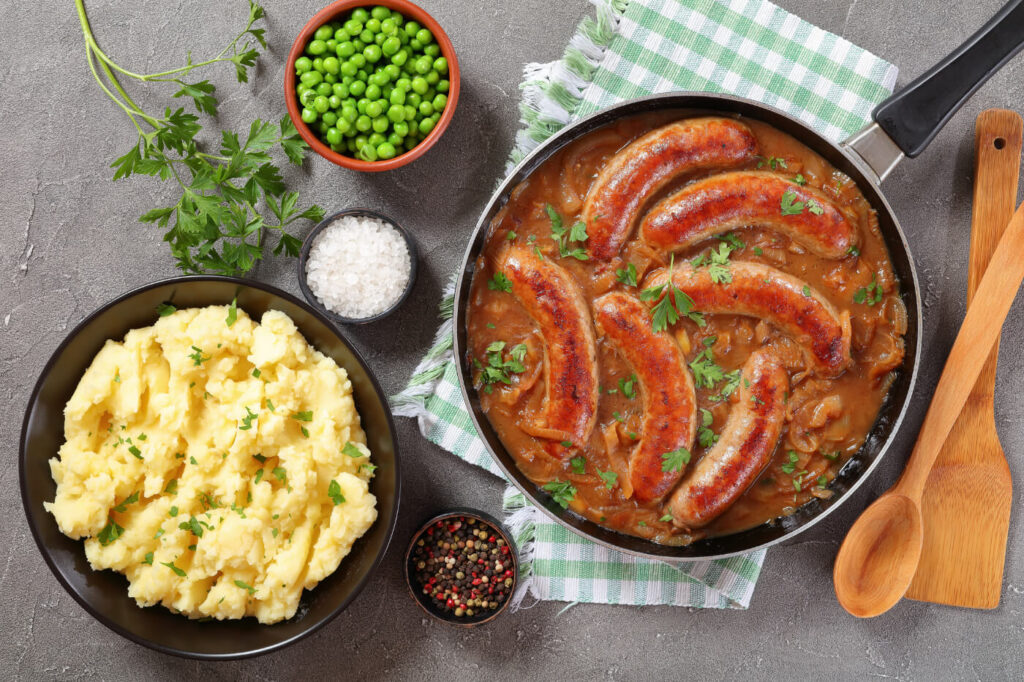
Coddle is a dish closely associated with Dublin. Made with sausages, bacon, potatoes, and onions, it is slowly cooked to create a hearty and flavorful meal.
Historically, coddle was a convenient dish that could be left to cook for hours, making it ideal for busy households. Today, it remains a comforting reminder of Dublin’s culinary heritage.
Shepherd’s Pie: A Global Favorite with Irish Roots
Shepherd’s Pie is a dish that has gained international popularity but remains deeply connected to Irish tradition. It consists of minced lamb cooked with vegetables and topped with a layer of mashed potatoes, then baked until golden.
This dish is both filling and flavorful, making it a favorite in Irish homes and beyond. It represents the adaptability of Irish cuisine, evolving while maintaining its core elements.
Barmbrack: A Sweet Tradition
Barmbrack is a traditional Irish fruit bread, often enjoyed with tea. It contains dried fruits and spices, giving it a slightly sweet and aromatic flavor.
Like colcannon, barmbrack is associated with Halloween traditions, where small items were baked into the bread as a form of fortune-telling.
This dish highlights the role of food in Irish culture, where meals are often tied to celebrations and traditions.
Irish Breakfast: A Hearty Start to the Day
The traditional Irish breakfast is a meal in itself. It typically includes eggs, bacon, sausages, black pudding, baked beans, grilled tomatoes, and toast or soda bread.
This hearty breakfast reflects the agricultural roots of Ireland, providing the energy needed for a day of physical work. Today, it remains a popular choice for both locals and visitors, offering a satisfying start to the day.
The Role of Dairy in Irish Cuisine
Ireland is known for its high-quality dairy products, particularly butter and cheese. The البلاد’s lush pastures provide ideal conditions for grazing cattle, resulting in rich and flavorful dairy.
Irish butter, in particular, is prized for its creamy texture and distinctive taste. It is a key ingredient in many traditional dishes, enhancing their flavor and richness.
Modern Influences on Traditional Food
While traditional Irish food remains popular, modern influences have brought new flavors and techniques to the cuisine. Chefs across Ireland are reimagining classic dishes, using local ingredients in innovative ways.
In cities like Galway and Cork, restaurants are blending tradition with contemporary styles, creating a dynamic food scene that appeals to a wide range of tastes.
Despite these changes, the essence of Irish cooking—simplicity, quality, and comfort—remains unchanged.
Food as a Reflection of Irish Culture
Food in Ireland is more than just sustenance—it is a reflection of the country’s culture and values. Meals are often shared with family and friends, accompanied by conversation and laughter.
Traditional dishes tell stories of resilience, resourcefulness, and community. They connect people to their heritage and to each other, creating a sense of continuity and belonging.
Conclusion
“Traditional Irish Food: Simple and Delicious Classics” captures the essence of a cuisine that is both humble and deeply satisfying. In Ireland, food is a celebration of tradition, community, and the natural richness of the land.
From the comforting warmth of Irish Stew to the creamy goodness of Colcannon and the hearty appeal of a full Irish Breakfast, each dish offers a taste of Ireland’s unique character.
Whether you are exploring Ireland in person or simply trying its recipes at home, traditional Irish food invites you to experience the country in its most authentic form—simple, delicious, and full of heart.