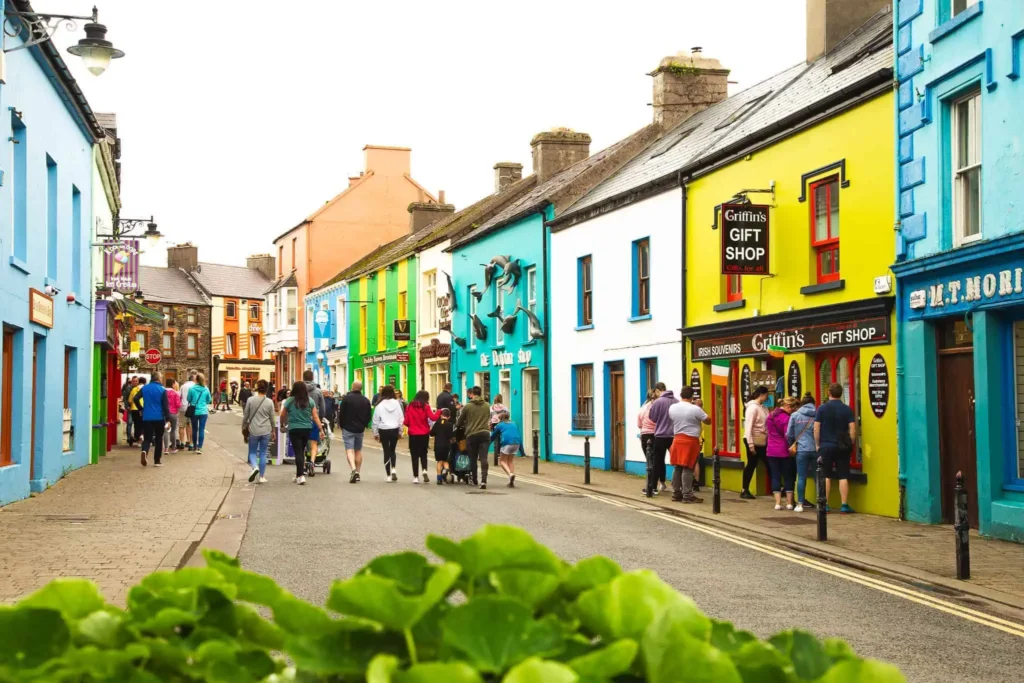
From Quiet Corners to Lively Streets: The Complete Guide to Ireland’s Cities
Ireland is a country of contrasts, where peaceful landscapes meet vibrant urban life, and centuries-old traditions blend seamlessly with modern energy. From cobblestone streets echoing with history to bustling city centers filled with music and laughter, Ireland offers a unique urban experience unlike anywhere else in the world. Each city tells its own story—some quiet and reflective, others lively and electric—but all deeply rooted in culture, community, and charm.
This complete guide takes you through Ireland’s most captivating cities, exploring their personalities, highlights, and the experiences that make them unforgettable.
Dublin: The Beating Heart of the Nation
As the capital and largest city, Dublin is often the first stop for visitors—and for good reason. Situated along the River Liffey, Dublin is a city that balances its rich literary heritage with a youthful, contemporary vibe.
Walking through the city, you’ll encounter historic landmarks such as Trinity College Dublin, home to the famous Book of Kells. The surrounding streets are alive with cafés, bookstores, and street performers, creating an atmosphere that feels both intellectual and playful.
At night, areas like Temple Bar come alive with music spilling out of pubs, where traditional Irish tunes mix with modern beats. Yet, beyond the lively scenes, Dublin also offers quiet escapes—like St. Stephen’s Green—where locals relax amid greenery in the heart of the city.
Dublin is a place where history meets modernity, making it an essential starting point for understanding Ireland’s urban identity.
Galway: The Cultural Soul
On Ireland’s western coast lies Galway, a city known for its artistic spirit and bohemian atmosphere. Often described as Ireland’s cultural capital, Galway thrives on creativity, from street performances to world-class festivals.
The Latin Quarter is the heart of the city, where colorful buildings line narrow streets filled with musicians, artisans, and lively crowds. Whether it’s the Galway International Arts Festival or spontaneous live music sessions in pubs, Galway pulses with energy.
Despite its vibrancy, Galway also has a tranquil side. A short walk along the Salthill Promenade offers stunning views of the Atlantic Ocean, providing a peaceful contrast to the city’s lively center.
Galway perfectly captures the balance between quiet charm and dynamic culture.
Cork: Ireland’s Food and Rebel City
Cork, Ireland’s second-largest city, is known for its independent spirit and rich culinary scene. Often called the “Rebel City,” Cork has a personality that is distinct and proud.
The English Market, one of the oldest covered markets in Europe, is a must-visit for food lovers. Here, visitors can sample local specialties, from artisanal cheeses to fresh seafood.
Cork’s streets are a blend of historic architecture and modern development, with a relaxed pace that makes it easy to explore. The city’s riverside setting adds to its charm, offering scenic walks and cozy cafés.
Beyond the city center, the surrounding countryside and coastal areas provide additional opportunities for exploration, making Cork a gateway to some of Ireland’s most beautiful regions.
Limerick: A City of Renewal
Limerick has undergone a remarkable transformation in recent years, evolving into a vibrant hub of culture, education, and innovation. Located along the River Shannon, the city combines medieval history with a forward-looking spirit.
One of its أبرز landmarks is King John’s Castle, a beautifully preserved fortress that offers insight into Ireland’s past. Nearby, modern art galleries and cultural spaces reflect the city’s creative resurgence.
Limerick is also known for its literary heritage and growing reputation as a destination for contemporary arts. Its compact size makes it easy to navigate, allowing visitors to experience both its historic and modern sides in a short time.
Waterford: Ireland’s Oldest City
Founded by Vikings in the 9th century, Waterford is Ireland’s oldest city and a treasure trove of history. Walking through the Viking Triangle, visitors can explore ancient walls, museums, and heritage sites that tell the story of the city’s origins.
Waterford is also famous for its crystal production, with Waterford Crystal being a globally recognized brand. Tours of the factory offer a fascinating look at traditional craftsmanship.
Despite its historical focus, Waterford is a lively city with festivals, restaurants, and a growing arts scene. Its coastal location adds another layer of appeal, with nearby beaches and scenic drives.
Kilkenny: Medieval Magic
Kilkenny feels like stepping into a storybook. Known for its well-preserved medieval architecture, the city is dominated by the stunning Kilkenny Castle, which sits at the heart of the town.
The narrow streets are lined with craft shops, galleries, and traditional pubs, creating an intimate and welcoming atmosphere. Kilkenny is also a center for arts and design, hosting numerous festivals throughout the year.
Despite its small size, Kilkenny offers a rich cultural experience, blending history with creativity in a way that feels both authentic and inspiring.
Derry: History and Resilience
Located in Northern Ireland, Derry (also known as Londonderry) is a city with a complex and powerful history. Its well-preserved city walls are among the finest in Europe, offering panoramic views and a tangible connection to the past.
Derry has emerged as a vibrant cultural destination, with a thriving arts scene and a strong sense of community. Events like the Halloween festival—often considered one of the best in the world—highlight the city’s creative energy.
Walking through Derry, visitors can feel the layers of history while also experiencing a city that is moving forward with optimism and pride.
Belfast: A Modern Renaissance
Belfast has transformed dramatically over the past few decades, becoming a dynamic city known for its innovation, culture, and history. Once an industrial powerhouse, Belfast is now a hub for tourism and creativity.
The Titanic Belfast is one of the city’s أبرز attractions, telling the story of the famous ship built here. The surrounding Titanic Quarter is a symbol of Belfast’s regeneration.
The city’s neighborhoods are full of character, from bustling markets to trendy cafés and street art. Belfast also offers easy access to natural wonders like the Giant’s Causeway, making it an excellent base for exploration.
The Balance Between Quiet and Lively
What sets Ireland’s cities apart is their ability to offer both tranquility and excitement. Even in the busiest المدن, quiet corners are never far away—whether it’s a peaceful park, a riverside walk, or a hidden café.
This balance reflects the broader Irish way of life, where community, storytelling, and connection are central. Cities are not just places of activity but spaces where people gather, share, and create memories.
A Journey Through Diversity
Each Irish city has its own identity, shaped by history, geography, and culture. From the literary streets of Dublin to the artistic energy of Galway, the culinary delights of Cork, and the historical depth of Waterford, there is something for every traveler.
Exploring these cities offers a deeper understanding of Ireland—not just as a destination, but as a living, evolving culture.
Conclusion
“From Quiet Corners to Lively Streets: The Complete Guide to Ireland’s Cities” captures the essence of a country where diversity thrives within a relatively small مساحة. Ireland’s cities are more than just urban centers; they are gateways to history, culture, and human connection.
Whether you’re seeking the buzz of nightlife, the inspiration of art, or the calm of a scenic walk, Ireland’s cities deliver experiences that are both memorable and meaningful. In every street and every corner, you’ll find a story waiting to be discovered—one that reflects the heart and soul of this remarkable island