The Largest Cities in Ireland
Ireland is a relatively small country, but it is home to a number of vibrant and historically rich cities. Each city offers its own unique character, blending modern development with deep cultural roots. From bustling urban centers to charming coastal hubs, Ireland’s largest cities play an important role in shaping the country’s identity, economy, and lifestyle.
In this article, we will explore the largest cities in Ireland, highlighting their key features, attractions, and what makes each one special.
Dublin: The Capital and Cultural Heart
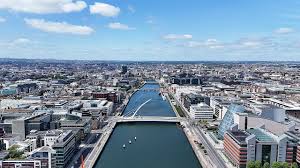
The largest and most important city in Ireland is Dublin. Located on the east coast, Dublin is the political, economic, and cultural center of the country.
Dublin is known for its rich history, dating back to its founding by the Vikings over a thousand years ago. Today, it is a lively and modern city filled with historic buildings, museums, and cultural landmarks.
Some of the most famous attractions in Dublin include:
- Trinity College Dublin, home to the famous Book of Kells
- Dublin Castle
- Temple Bar
Dublin is also a global business hub, with major companies like Google and Facebook (Meta) having European headquarters there.
Cork: Ireland’s Second City
The second-largest city in Ireland is Cork, located in the southwest of the country. Often referred to as the “real capital” by locals, Cork has a strong sense of identity and pride.
Cork is built on an island between two channels of the River Lee, giving it a unique layout. The city is known for its vibrant food scene, friendly atmosphere, and artistic culture.
Popular places in Cork include:
- English Market
- Saint Fin Barre’s Cathedral
Cork is also a gateway to some of Ireland’s most beautiful coastal areas and countryside.
Limerick: A City of History and Growth
Limerick is the third-largest city in Ireland. Located along the River Shannon, Limerick is a city that blends medieval history with modern development.
Limerick is home to impressive historical landmarks, including:
- King John’s Castle
- St. Mary’s Cathedral
In recent years, Limerick has experienced economic growth and urban renewal, making it an increasingly attractive place to live and work.
Galway: The Cultural Capital
On the west coast of Ireland lies Galway, a city famous for its artistic spirit and vibrant cultural scene.
Galway is known for its festivals, music, and creative energy. It is often considered the cultural capital of Ireland, hosting events such as the Galway International Arts Festival.
The city’s colorful streets, lively pubs, and coastal views make it a favorite destination for tourists and locals alike.
Waterford: Ireland’s Oldest City
Waterford is the oldest city in Ireland, founded by Vikings in the 9th century. Located in the southeast, Waterford has a rich maritime history.
One of its most famous attractions is:
- House of Waterford Crystal
Waterford is also known for its historic architecture and strong connection to Ireland’s past.
Drogheda: A Historic Town with Modern Life
Drogheda is one of the largest towns in Ireland and is often considered part of the greater Dublin area.
Drogheda is rich in history and is located near important sites such as:
- Newgrange
The town offers a mix of historical charm and modern living, making it a growing residential area.
Dundalk: A Growing Urban Center
Dundalk is another important town in the northeast of Ireland. It is located close to the border with Northern Ireland.
Dundalk has experienced steady growth in recent years, with improvements in infrastructure and business opportunities. It serves as a key link between Dublin and Northern Ireland.
Sligo: Nature and Heritage
Sligo is a smaller city but still one of the most important urban centers in the northwest.
Sligo is known for its natural beauty and literary connections, particularly with the famous poet W. B. Yeats, who drew inspiration from the surrounding landscape.
The city is surrounded by mountains, lakes, and coastline, making it ideal for outdoor activities.
Kilkenny: Medieval Charm
Kilkenny is a small but significant city known for its medieval heritage.
One of its most famous landmarks is:
- Kilkenny Castle
Kilkenny is also known for its arts scene, festivals, and well-preserved historic streets.
The Role of Cities in Ireland
Ireland’s cities are not only population centers but also hubs of culture, education, and economic activity. Cities like Dublin and Cork drive the national economy, while smaller cities like Galway and Kilkenny preserve cultural traditions.
Urban areas in Ireland are generally well-developed, with good infrastructure, education systems, and public services. At the same time, they maintain a strong connection to nature and history.
Living in Irish Cities
Living in Ireland’s cities offers a balance between modern convenience and traditional charm. Residents enjoy access to:
- Quality education
- Healthcare services
- Cultural events
- Employment opportunities
Cities are also known for their safety and high quality of life. While Dublin is the most expensive city, other cities like Limerick and Waterford offer more affordable living options.
Conclusion
Ireland’s largest cities each have their own unique identity, shaped by history, culture, and geography. From the bustling streets of Dublin to the artistic vibe of Galway and the historic charm of Waterford, every city offers something special.
Together, these cities form the backbone of Ireland’s modern society while preserving the traditions that make the country unique. Whether you are visiting, studying, or planning to live in Ireland, exploring its cities is one of the best ways to understand the true character of the nation.
In short, Ireland’s cities are more than just places to live—they are centers of culture, history, and community that continue to shape the country’s future.